
Recently, I’ve become even more aware of how powerfully my thinking shapes my results.
I’ve been intentionally breaking old habits and conditioned responses. One small example: my nightly sugar “reward.” It’s a simple behavior—but it reveals something much bigger about how habits are formed, reinforced, and defended by the brain.Here’s the truth most people miss:
Change doesn’t begin with behavior.
It begins with thought.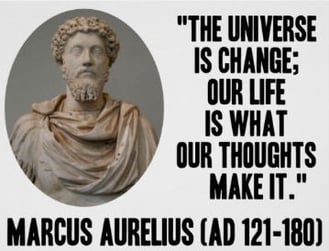
If I want a different result, I must first change the thinking that justifies the habit:
-
“I deserve this.”
-
“I’ll start tomorrow.”
When the mind and body are misaligned, emotion pulls us back into the familiar past. The body seeks comfort. The mind negotiates. And change gets postponed—again.
Why the Brain Resists Change
Most of us don’t fully understand how the mind and body work together.
Your thoughts produce chemical signals. Those chemicals drive hormones. Hormones create emotions equal to your thinking. In other words, to feel differently, you must first think differently.
But here’s the challenge:
When you introduce a new thought, the body often pushes back.
Why?
Because the body has been conditioned by years of familiar emotional states. It’s comfortable running the old program. When you attempt to change, the body essentially says, “Wait—this isn’t how we do things.”
That resistance shows up as:
- Procrastination
- Rationalization
- Discomfort
- Loss of motivation
This is why change feels hard—not because you’re incapable, but because you’re interrupting a familiar biological pattern.
The Unconscious Mind Is Running the Show
This may sound simple—until you realize how little of your thinking is actually conscious.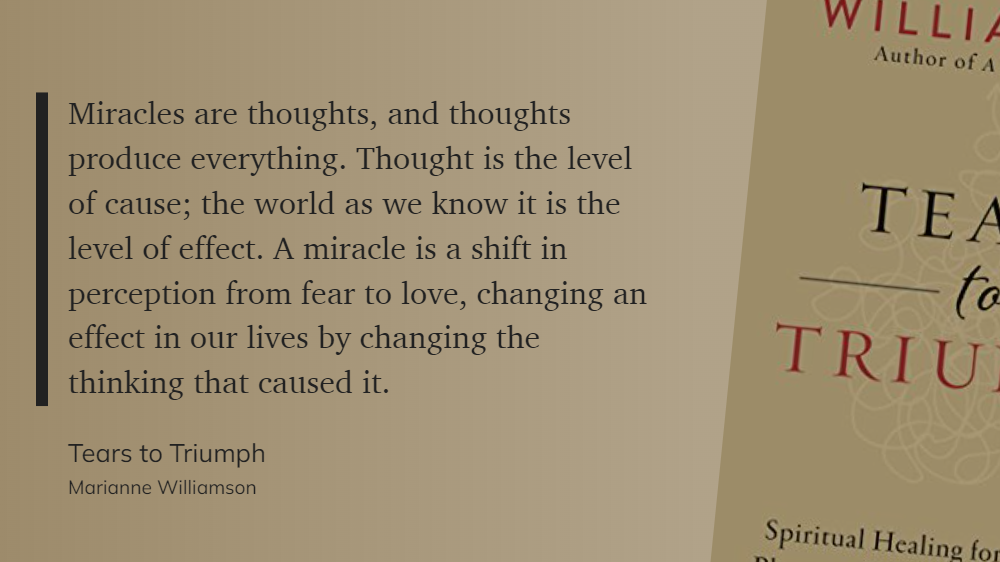
- Up to 90–95% of daily decisions are made unconsciously
- The subconscious stores habits, memories, and automatic behaviors
- Emotional reactions often occur before conscious thought
- Most thoughts don’t originate from intention—they repeat from conditioning
In short, you are often thinking by habit, not by choice.
And habits—good or bad—are only a problem when they no longer produce the results you want.
- Waking up and scrolling your phone for 20 minutes.
- Avoiding a difficult conversation.
- Staying stuck in stress, reaction, or overwhelm.
These patterns don’t just waste time—they quietly delay your envisioned future.
Discomfort Is the Price of Growth
Think about this moment:
You’re sitting on the couch.
You know you should go for a walk, work out, or move your body.
The thought appears… and the body resists.
But the moment you stand up and move—toward the gym, the door, the unknown—you break inertia. You interrupt the familiar. You begin to change.
It feels uncomfortable because it is uncomfortable.
And that’s the point.
Real transformation requires not only facing discomfort, but being okay with it. Discomfort is the signal that you are no longer living in the past.
It’s the doorway to growth.
As has been said many times in the study of personal transformation:
No one changes until they change their energy.
When someone is truly changing, they talk less about it—and demonstrate it more. They are living it. That requires awareness, intention, presence, and sustained attention to their inner state.
“Most people don’t struggle because of capability — they struggle because their thoughts, emotions, and behaviors are neurologically conditioned to repeat the same results.”
The Question That Matters
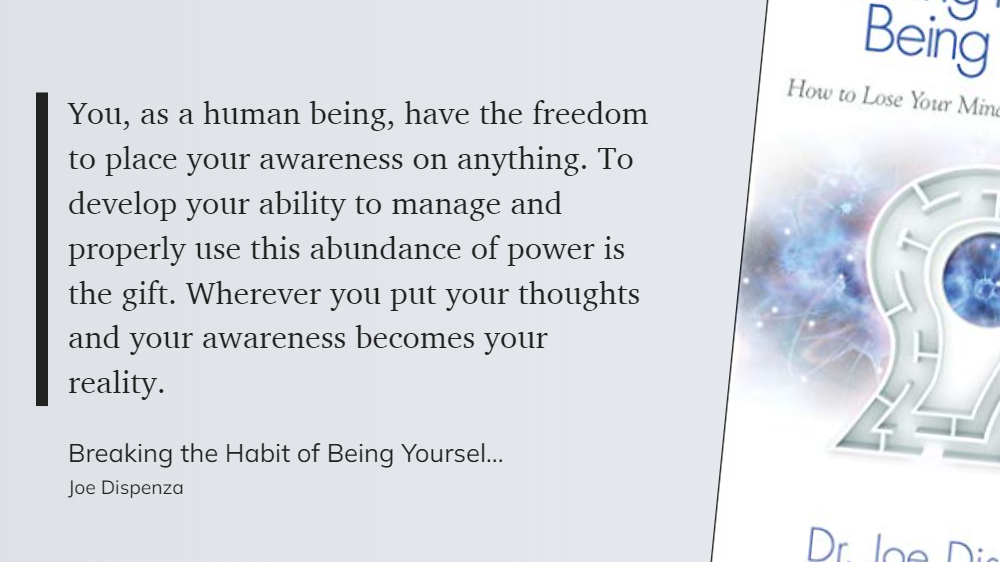 So, the real question becomes:
Are you willing to achieve what you say you want—
even if it requires breaking habits, conditioning, and emotional addictions that no longer serve you?
Are you willing to be uncomfortable long enough to cross the River of Change and step into your full potential?
Next blog - How Do You Rewire the Brain?
Creating Change That Scales
At UnbelievableCoach/Positioning Systems, we help leaders and teams break free from the familiar past and intentionally build envisioned futures—personally and professionally.
 By increasing self-awareness and reducing stress, organizations unlock higher levels of clarity, creativity, and performance.
Change begins with individuals.
It scales through leadership.
And it transforms culture.
If you’re ready to rewire your thinking, elevate your emotions, and create new results for yourself and your organization:
Challenge yourself.
Challenge your team.
Challenge your business.
👉 Contact us for a free exploratory conversation—and begin becoming the hero of your own story.
Let’s create your envisioned future—together.
Growth Demands Strategic Discipline.
 Rewiring doesn’t happen through insight alone.
It happens through intentional repetition—thinking, feeling, and acting in alignment until the new pattern becomes familiar.
That’s where the real work begins.
In the next blog, we’ll explore why repetition is essential to lasting change—and how to apply it intentionally to create new results in your life and organization.
Building an enduring great organization requires disciplined people, disciplined thought, disciplined action, superior results, producing a distinctive impact on the world.
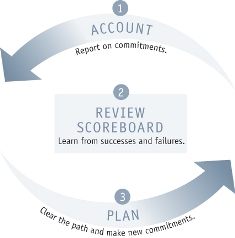 Discipline sustains momentum over a long period of time, laying the foundations for lasting endurance.
A winning habit starts with 3 Strategic Disciplines: Priority, Metrics,and Meeting Rhythms. Forecasting, accountability, individual, and team performance improve dramatically.
Meeting Rhythms achieve a disciplined focus on performance metrics to drive growth.
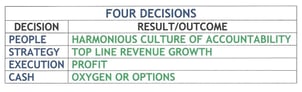
Let Unbelievable Coach/Positioning Systems help your business achieve these outcomes on the four most Important Decisions your business faces:
|
DECISION |
RESULT/OUTCOME |
|
PEOPLE |
|
|
STRATEGY |
|
|
EXECUTION |
|
|
CASH |
|
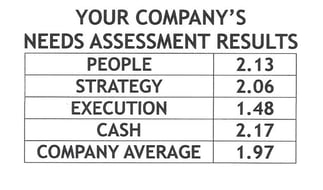
Unbelievable Coach/Positioning Systems helps mid-sized ($5M - $500M+) businesses Scale-UP. We align your business to focus on Your OneThing! Contact dwick@positioningsystems.com to Scale Up your business! Take our Four Decisions Needs Assessment to discover how your business measures against other Scaled Up companies. We’ll contact you.
NEXT BLOG – REPETITION - HOW TO REWIRE YOUR BRAIN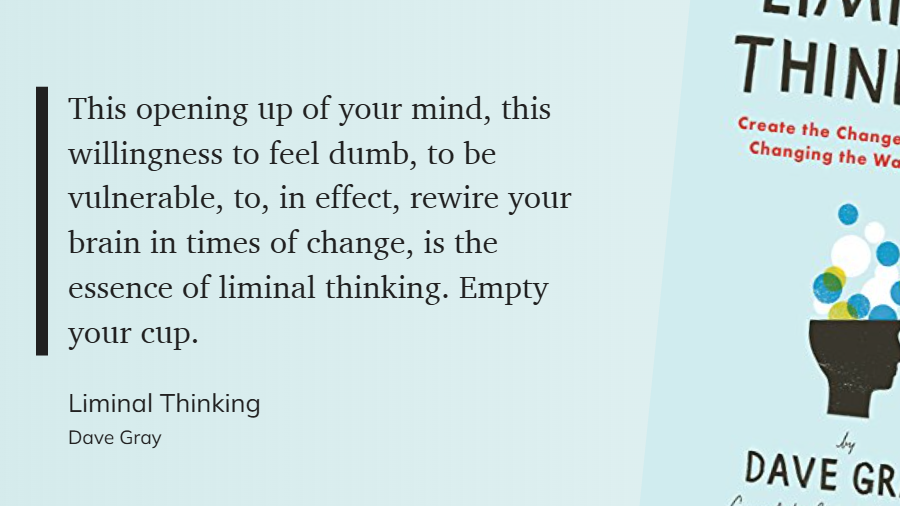



.jpeg?width=150&height=135&name=Hand%20with%20marker%20writing%20the%20question%20Whats%20Next_%20(1).jpeg "Schedule a meeting")