
You’ve seen it.
A leader who is intelligent, experienced, and strategically sharp —yet under pressure, they interrupt. Tighten control. Become defensive. Rush decisions.Maybe you’ve seen it in yourself.
You walk out of a meeting thinking:
“I knew better. Why did I respond that way?”
Here’s the uncomfortable truth:
Most leadership reactions are not thinking problems.
They are conditioning problems.
The Body Reacts Before the Mind Leads
Under stress, the nervous system shifts into High Beta — the survival-oriented brainwave state we discussed last week.
In that state:
- Attention narrows
- Threat detection increases
- Patience drops
- Urgency rises
The brain prioritizes protection over perspective.
.png?width=372&height=248&name=The%20Body%20Reacts%20Before%20the%20Mind%20Leads%20(short).png) Dr. Joe Dispenza’s research explains that when emotional reactions are repeated over time, the body begins to memorize them. The body becomes conditioned to familiar emotional states — frustration, urgency, control, pressure.
Dr. Joe Dispenza’s research explains that when emotional reactions are repeated over time, the body begins to memorize them. The body becomes conditioned to familiar emotional states — frustration, urgency, control, pressure.
Eventually, the reaction happens faster than conscious thought.
The body moves first.
The mind explains later.
That’s why even highly intelligent leaders default to predictable patterns under stress.
It isn’t lack of capability.
It’s neurological repetition.
Emotional Conditioning Becomes Leadership Identity
If a leader has spent years operating in urgency, the emotional state of pressure can become familiar — even comfortable.
Over time:
Thought → Emotion → Behavior → Result
becomes
Emotion → Behavior → Justified Thought → Same Result
The body signals stress.
Behavior follows automatically.
The mind rationalizes it.
“This is just how I lead.”
“We don’t have time to slow down.”
“Standards matter.”
And they do.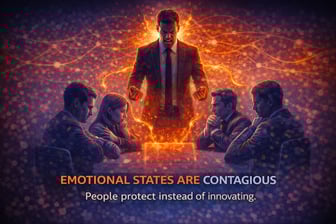
But here’s the distinction:
High standards do not require high reactivity.
When emotional conditioning drives leadership behavior, teams feel it immediately. Emotional states are contagious. If a leader operates from tension, the room tightens. Creativity contracts. Risk tolerance drops.
People protect instead of innovating.
Why Smart Leaders Struggle to Change It
Most leadership development focuses on strategy, communication frameworks, or accountability systems.
All important.
But they miss the root issue:
If the nervous system is dysregulated, no communication framework will hold under pressure.
You cannot outperform your conditioned emotional baseline.
You cannot “think” your way out of a state your body is addicted to.
And yes — stress can become addictive.
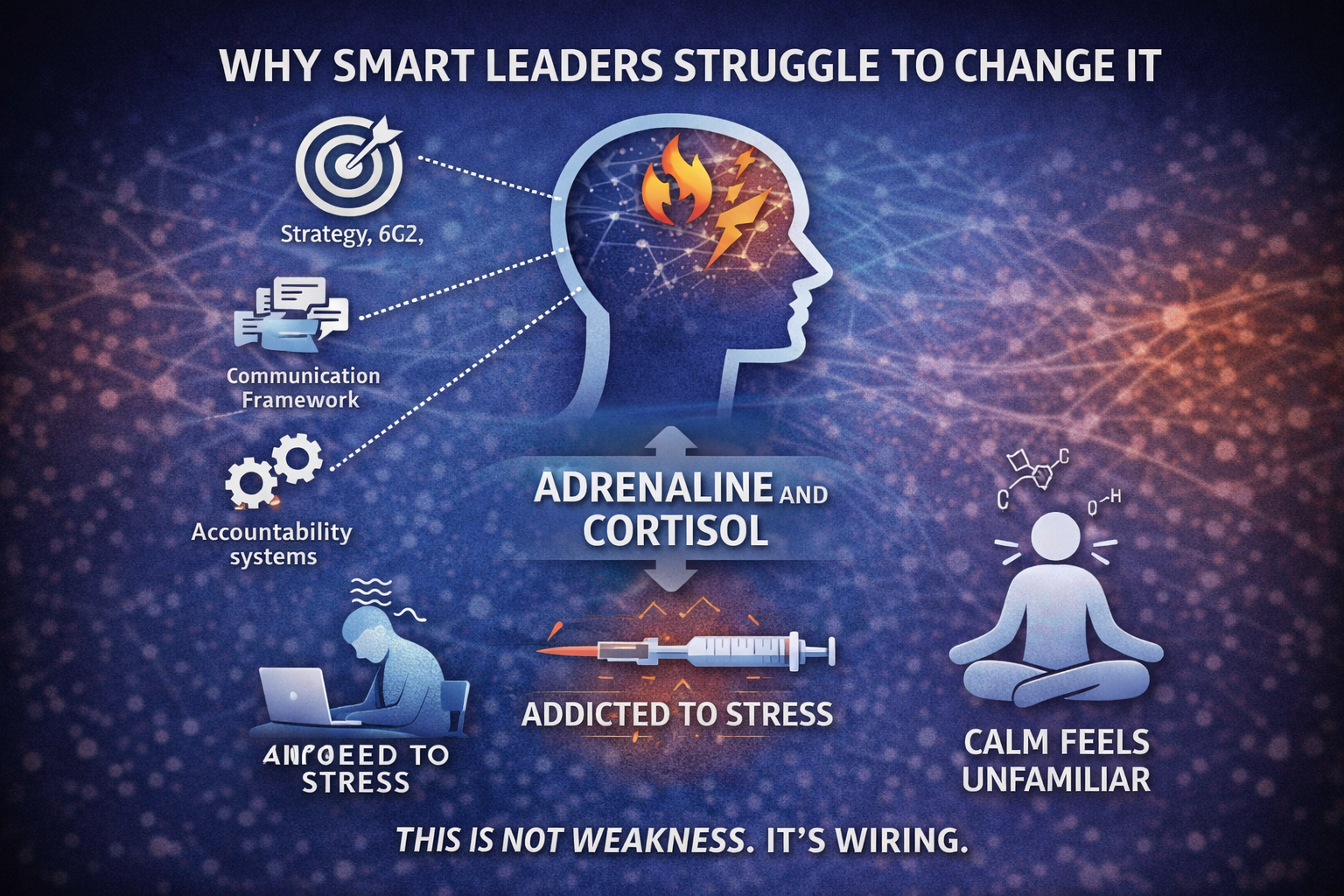
When cortisol and adrenaline are constantly present, the body adapts to that chemistry. Calm can feel unfamiliar. Slowing down can feel unproductive.
So leaders unconsciously recreate urgency to feel normal.
This is not weakness.
It’s wiring.
Breaking the Emotional Conditioning Pattern
The good news?
Conditioning can be interrupted.
But not by willpower alone.
In Change Your Mind. Create New Results training, we teach leaders how to create awareness of their emotional baseline before it becomes behavior.
Here are four practical shifts: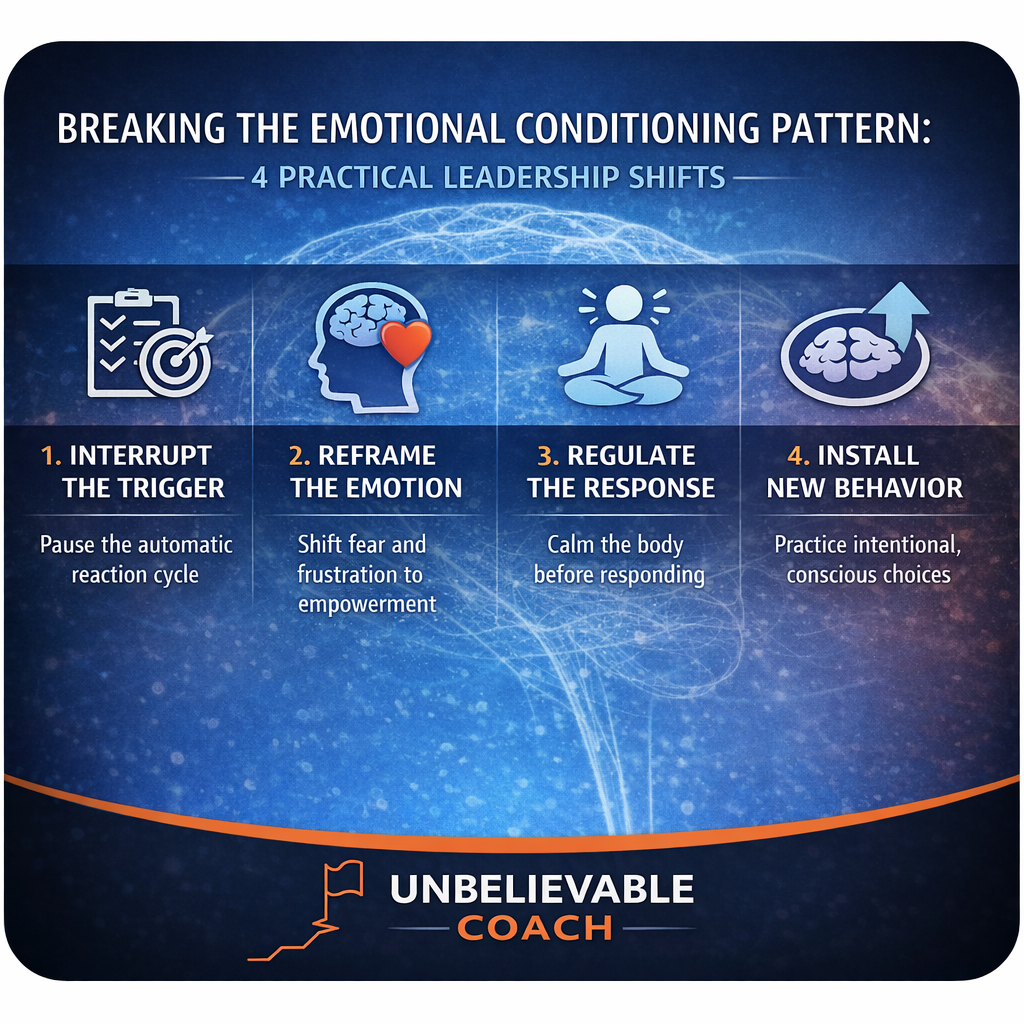
1. Recognize the Pattern Early
 Every leader has predictable stress signatures:
- Tightened jaw
- Shortened tone
- Faster speech
- Impatience with questions
Awareness is the first interruption.
If you can identify the physical cue before the reaction escalates, you regain choice.
2. Regulate Before You Respond
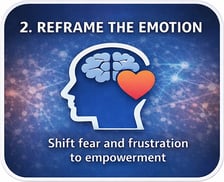 Regulation is not retreat.
A 60–90 second physiological reset — slower breathing, intentional pause, posture shift — can move the brain from High Beta toward Alpha.
That shift widens perspective.
When perspective widens, reaction slows.
And leadership improves.
3. Separate Standards from Emotion
Strong leadership requires clarity and accountability.
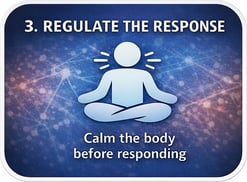 It does not require emotional volatility.
You can hold high expectations without projecting tension.
The most effective leaders regulate internally while maintaining external precision.
That is strength — not softness.
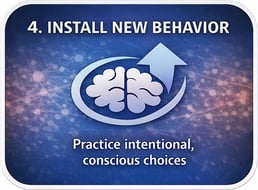
4. Redesign the Identity
Lasting change happens when identity shifts.
Instead of:
“I’m intense because I care.”
Shift to:
“I create clarity under pressure.”
Instead of:
“I move fast because time is scarce.”
 Shift to:
“I move deliberately so decisions scale.”
Identity drives behavior. Behavior drives results.
If you want new results, you must become greater than the emotional pattern producing the old ones.
What This Means for Your Organization
If your team:
- Hesitates to speak openly
- Avoids disagreement
- Moves fast but corrects often
- Feels constant urgency
The issue may not be process.
It may be leadership nervous system contagion.
When leaders regulate, teams stabilize.
When teams stabilize, innovation rises.
When innovation rises, performance scales.
This is not mindset theory.
It is performance physiology.
A Question Worth Asking
What emotional pattern drives your leadership when pressure rises?
And is that pattern producing the results you truly want?
If not, the work is not about trying harder.
It is about rewiring the response.
Change Your Mind. Create New Results.
In my work with executive teams, we don’t just talk about stress. We train leaders to:
- Recognize conditioned emotional baselines
- Interrupt reactive cycles
- Shift into coherent states under pressure
- Align identity with envisioned future performance
Because when you change the internal pattern, you change the external outcome.
And when leaders change, cultures follow.
If you’re ready to elevate performance without amplifying stress, let’s talk.
The next level of leadership may not require more strategy.
It may require a different internal state.
Growth demands Strategic Discipline.
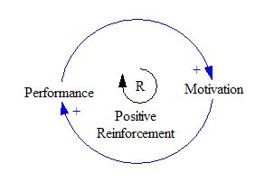 Most leaders believe culture is shaped by strategy.
But culture is often shaped long before strategy is discussed — in the emotional patterns leaders bring into the room.
Next week, we’ll explore The Leadership Pattern Loop: how thoughts become emotions, emotions become behaviors, and behaviors quietly become culture.
Most people don’t struggle because of capability — they struggle because their thoughts, emotions, and behaviors are neurologically conditioned to repeat the same results.
.png.jpg?width=481&height=514&name=Its%20not%20a%20Capability%20Problem%20(Tight).png.jpg)
Capability isn’t the problem.
Conditioning is.
When stress becomes the default state, even smart leaders repeat predictable outcomes. Change the pattern — change the result.
Through Change Your Mind. Create New Results training, I help leaders interrupt stress-driven conditioning, regulate under pressure, and build cultures driven by intention instead of reaction.
If you're ready to move from reactive productivity to intentional performance, let’s talk.
 Doug Wick
Unbelievable Coach
Schedule a Strategic Conversation
Change the Pattern. Create New Results.
 NEXT BLOG – The Leadership Pattern Loop: How Thoughts Become Culture



.jpeg?width=150&height=135&name=Hand%20with%20marker%20writing%20the%20question%20Whats%20Next_%20(1).jpeg "Schedule a meeting")